
 EN
EN
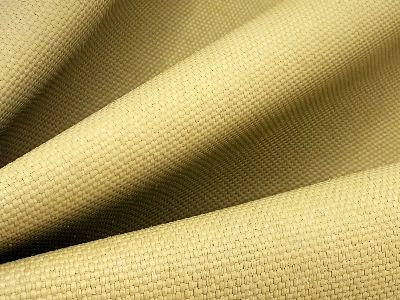
Understanding the polyester fabric tensile strength requirements for industrial garments is essential for manufacturers and buyers alike. Ensuring that the fabric can withstand the rigors of industrial applications while maintaining comfort and flexibility is crucial. This article will guide B2B buyers through the selection of polyester fabrics, focusing on tensile strength specifications, sourcing strategies, cost considerations, and quality assurance to help you make informed purchasing decisions.
Choosing the Right Polyester Fabric for Durable Industrial Garments
Selecting the appropriate polyester fabric for industrial garments begins with understanding tensile strength requirements. Tensile strength is a critical property that measures the fabric's ability to withstand pulling forces without breaking. For industrial applications, fabrics typically need a tensile strength of at least 300-600 N (Newtons) to ensure durability against wear and tear. In addition to tensile strength, consider the fabric's weight, denier, and weave pattern. Heavier fabrics generally offer more durability, while denier indicates the thickness of the fibers; higher denier values typically result in stronger fabrics. Weave patterns, such as plain, twill, or satin, can also influence performance, with twill often providing enhanced durability and resistance to fraying. When evaluating polyester fabric options, also pay attention to any additional treatments that might enhance properties such as water resistance, UV protection, or flame retardant, depending on the specific industrial application.
Where to Source High-Quality Polyester Fabric for Wholesale Orders?
Sourcing high-quality polyester fabric for wholesale orders involves identifying reliable suppliers with a strong reputation in the textile industry. Start by researching manufacturers who specialize in industrial textiles, particularly those with a track record of producing fabrics that meet stringent quality standards. Trade shows, textile exhibitions, and industry conferences are excellent venues to meet suppliers and assess their offerings firsthand. Additionally, online marketplaces and industry-specific platforms can serve as valuable resources for locating reputable suppliers. When contacting potential suppliers, inquire about their manufacturing capabilities, including the types of machinery used and their quality control processes. Establishing a relationship with a supplier who understands your specific requirements can lead to better customization options and more favorable pricing structures.
Cost Factors to Consider When Purchasing Polyester Fabric in Bulk
When purchasing polyester fabric in bulk, various cost factors must be taken into account. The unit price is often lower for larger quantities, but additional costs such as shipping, customs duties, and potential tariffs should be factored into the overall budget. Fabric specifications, including weight, treatment, and finish, can also impact pricing. For instance, fabrics with special coatings or treatments may carry a premium price. Therefore, it is essential to balance the cost with the quality and performance requirements of the intended application. Buyers should also consider the lead time for production and delivery. Longer lead times may be acceptable for lower-cost options, but if rapid deployment is essential, investing in higher-quality fabrics from a reliable supplier may prove more cost-effective in the long run.
What to Look for in Your Selection?
When selecting polyester fabric for industrial garments, it's crucial to evaluate several key factors. First, review the technical specifications, focusing on tensile strength, abrasion resistance, and color fastness. A fabric that meets or exceeds industry standards for these properties will be more reliable in demanding applications. Next, consider the fabric's compatibility with the garment's intended use, including any specific safety or comfort features required. For example, if the garments will be exposed to extreme temperatures or hazardous materials, selecting a fabric designed for those conditions will be necessary. Moreover, potential buyers should order samples to assess the texture, drape, and overall feel of the polyester fabric jackets before committing to a bulk order. This step can help identify any potential issues, such as inadequate durability or discomfort, that could affect the end product's performance.
Ensuring Quality Polyester Fabric for Your Projects
To ensure that the polyester fabric selected for your projects meets the necessary quality standards, implement a robust quality control process. This should begin with approving fabric samples that demonstrate adequate tensile strength and other critical properties for your specific industrial applications. During production, maintain clear communication with your supplier to monitor quality throughout the manufacturing process. Request certifications or test results that verify the fabric's performance characteristics, such as tensile strength and resistance to environmental factors. Finally, conduct thorough inspections upon receiving the bulk order. Check for defects, inconsistencies in color or pattern, and ensure that the fabric meets the agreed-upon specifications. This proactive approach can help prevent costly issues during garment production and ensure that the final product meets the required performance standards. By understanding these essential aspects of selecting polyester pants fabric for industrial garments, B2B buyers can make informed decisions that enhance product quality and overall satisfaction in their procurement process.