
 EN
EN
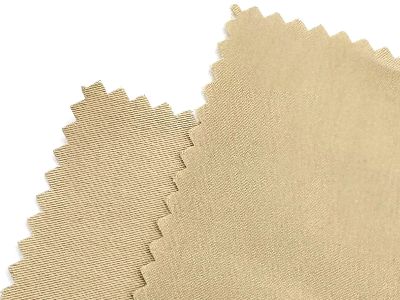
High-use cotton textiles with abrasion resistance are essential for various applications, ranging from industrial workwear to consumer goods such as luggage and upholstery. Understanding the abrasion resistance requirements for high-use cotton textiles helps purchasing managers, distributors, and product managers make informed decisions that enhance durability and performance. This article will guide you through what to look for in abrasion-resistant cotton textiles, how to evaluate their quality, installation guidance, common problems, and their applications across different industries
What to Look for in Abrasion Resistance Cotton Textiles for Wholesale
When sourcing abrasion-resistant cotton textiles for wholesale, several key factors should be considered. First, look for materials that are specifically engineered to withstand wear and tear. Fabrics treated with specialized coatings or blends that incorporate synthetic fibers, such as polyester or nylon, can significantly enhance abrasion resistance
Next, consider the fabric's weight and weave. Heavier fabrics typically provide greater durability, while tightly woven fabrics can better resist fraying and tearing. The Denier measurement, which indicates the thickness of the yarn, is another critical specification. A higher Denier count generally means a stronger and more durable fabric
Finally, inquire about the manufacturer’s testing protocols. Reputable companies often conduct standardized tests, such as the Martindale or Wyzenbeek test, to evaluate abrasion resistance. Requesting documentation of these tests can provide assurance that the textiles meet industry standards for durability
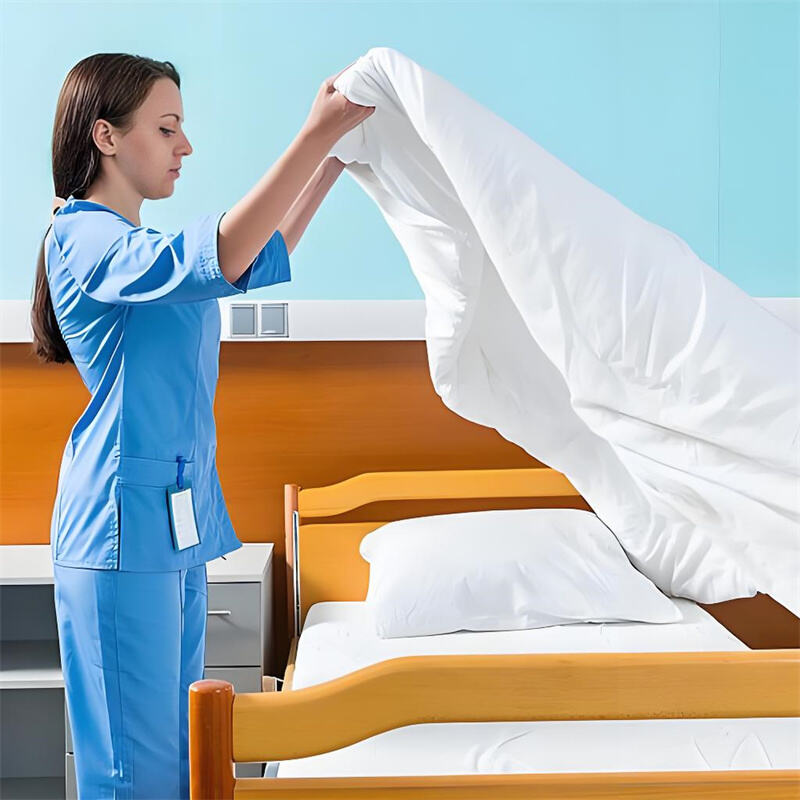
How to Evaluate the Quality of High-Use Cotton Textiles
Evaluating the quality of high-use cotton textiles involves examining several critical aspects. First, check for consistency in the fabric's color and texture, as variations can indicate poor quality control during production. Inspect the seams and stitching; high-quality textiles should have reinforced seams that can withstand stress without fraying
Another important factor is the fabric's performance after washing. Abrasion-resistant textiles should maintain their integrity and appearance even after repeated wash cycles. Requesting samples for testing can help assess how the fabric reacts under real-world conditions
Additionally, consider any certifications the textiles may have. Certifications such as Oeko-Tex Standard 100 indicate that the fabrics are free from harmful substances, which is especially important for consumer-facing products. A robust quality control process, which includes regular inspections and testing, is a sign of a reliable manufacturer
Installation Guidance for High-Use Cotton Textile Applications
When preparing for the installation of high-use breathable cotton fabric textiles, it is essential to consider both the application and the environment. For instance, if the textiles are to be used in industrial settings, ensure that they are compatible with the specific machinery and equipment involved in their application
Proper installation techniques should also be followed to maximize durability. For example, ensure that fabrics are cut accurately to avoid excess strain on seams. Pre-washing the fabric can help reduce shrinkage later on, which is crucial for items that require precise dimensions, such as uniforms or luggage
Lastly, consider the maintenance requirements of the textiles once installed. Providing guidance on care, including recommended washing methods and drying techniques, can help prolong the life of the product and maintain its appearance
Common Problems with Cotton Textiles and Effective Solutions
Several common issues can arise with cotton textiles, particularly in high-use scenarios. One prevalent problem is pilling, which occurs when fibers break and form small balls on the fabric's surface. To combat this, choose textiles with a tight weave and higher thread count, as these characteristics can reduce friction and wear
Another issue is color fading, particularly in textiles subjected to sunlight or harsh cleaning agents. To minimize fading, opt for dyed fabrics that use color-fast dyes and inquire about the manufacturer's dyeing processes
Lastly, shrinkage can be a concern, especially after washing. Pre-shrunk fabrics can help mitigate this issue. When sourcing textiles, ask about the pre-treatment processes used by the manufacturer, as these can significantly impact the final product's stability
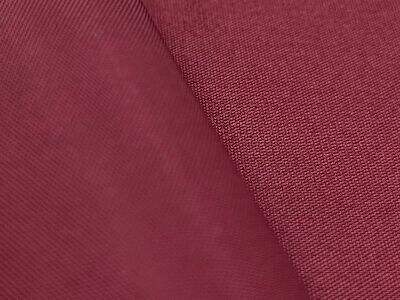
Applications of Abrasion-Resistant Cotton Textiles in Various Industries
Abrasion-resistant cotton textiles have diverse applications across multiple industries, thanks to their durability and comfort. In the industrial sector, these textiles are commonly used for workwear, safety gear, and protective clothing, where resilience to wear is critical
In the consumer goods sector, abrasion-resistant cotton is ideal for luggage, backpacks, and upholstery, where exposure to friction is frequent. The automotive industry also utilizes these textiles for seat covers and interior components that require robust materials
Additionally, the sports and outdoor recreation sectors benefit from abrasion-resistant cotton textiles in products like tents, tarps, and Activewear. Each application demands specific performance characteristics, so understanding the intended use will help guide suitable material selection
Selecting high-use cotton textiles with adequate abrasion resistance requires a thorough understanding of product specifications, quality evaluation, and industry applications. By following the guidance outlined, buyers can make informed decisions that enhance product longevity and performance, ultimately leading to greater customer satisfaction
Table of Contents
- What to Look for in Abrasion Resistance Cotton Textiles for Wholesale
- How to Evaluate the Quality of High-Use Cotton Textiles
- Installation Guidance for High-Use Cotton Textile Applications
- Common Problems with Cotton Textiles and Effective Solutions
- Applications of Abrasion-Resistant Cotton Textiles in Various Industries