
 EN
EN
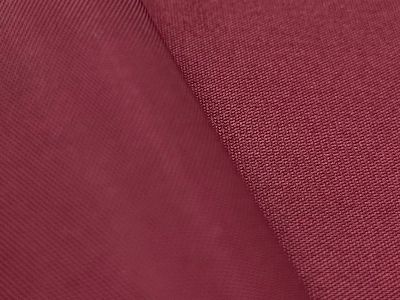
In precision cotton garment manufacturing, managing shrinkage is a critical concern for B2B buyers, particularly those in the textile and apparel sectors. Effective shrinkage control strategies not only enhance product quality but also ensure customer satisfaction and reduce production costs. This article will delve into key shrinkage control strategies, quality evaluations, common problems, technical guidance resources, and cost factors to consider for bulk orders, equipping buyers with the knowledge needed to make informed decisions.
Strategies to Choose for Effective Shrinkage Control in Cotton Garments
To effectively control shrinkage in cotton garments, manufacturers can adopt several strategies. One of the most impact methods is the use of pre-shrinking processes. This involves subjecting the fabric to controlled heat and moisture before cutting and sewing, which significantly reduces the potential for further shrinkage during washing. Another approach involves selecting the right cotton blend. Blending cotton with synthetic fibers can enhance dimensional stability while maintaining comfort and breath ability. Additionally, utilizing specific finishing treatments, such as resin or silicone, can help stabilize the fabric and prevent excessive cotton workwear fabric. Lastly, ensuring proper washing and care instructions are provided is vital. Educating end-users on how to care for their garments can minimize shrinkage and prolong the lifespan of the product. Buyers should inquire about the manufacturer’s capabilities in implementing these strategies during the production process.
How to Evaluate Quality in Shrinkage Control for Cotton Manufacturing?
Quality evaluation in shrinkage control begins with understanding key performance indicators. Buyers should look for specific testing results that indicate shrinkage percentages after multiple wash cycles. Typically, a shrinkage rate of less than 3% is acceptable for cotton garments. Another critical factor is the consistency of the manufacturing process. Buyers should request information on the quality control processes employed by the manufacturer. This includes details on how fabric batches are tested for cotton stretch material before production begins and how finished garments are evaluated. Additionally, reviewing certifications related to fabric treatments and processes can provide assurance of quality. Buyers may also benefit from requesting samples to assess the fabric's performance in real-world conditions. This hands-on evaluation helps confirm the manufacturer's claims regarding shrinkage control.
Common Problems in Cotton Garment Shrinkage and Effective Solutions
Several common issues can arise in cotton garment manufacturing related to shrinkage. One significant problem is uneven shrinkage, which can result from variations in fabric quality or manufacturing processes. To address this, manufacturers should implement stringent quality control measures and ensure consistent fabric sourcing. Another issue is the impact of finishing processes. If not properly managed, treatments designed to reduce shrinkage can sometimes lead to undesirable fabric characteristics, such as stiffness or reduced breath ability. Buyers should communicate their specific requirements to manufacturers to find a balance that meets both aesthetic and functional needs. Additionally, improper care instructions can lead to excessive shrinkage post-purchase. Providing clear, concise care guidelines helps mitigate this risk. Manufacturers should consider including care labels with detailed washing instructions to support the longevity of their garments.
Where to Find Technical Guidance on Cotton Shrinkage Control Methods?
Technical guidance on cotton shrinkage control can often be found through industry associations and textile research institutions. These organizations frequently publish research papers and guidelines that outline best practices in shrinkage management. Manufacturers can also offer valuable insights based on their own experiences and expertise. Buyers should not hesitate to request information from their suppliers about specific shrinkage control methods they employ, as firsthand knowledge can be highly beneficial. Moreover, attending industry trade shows and conferences can provide opportunities to learn from experts and network with peers facing similar challenges. Engaging with these resources can help buyers stay informed about evolving technologies and methods in shrinkage control.
Cost Factors to Consider in Shrinkage Control for Bulk Orders
When evaluating cost factors for shrinkage control in bulk orders, several elements come into play. The choice of fabric treatment and finishing processes can significantly affect overall costs. For instance, opting for advanced pre-shrinking techniques or specialized blends may increase initial expenses but can lead to cost savings in returns and customer dissatisfaction over time. Minimum order quantities (MOQ) can also influence pricing. Manufacturers may offer lower per-unit costs for larger orders, but buyers must weigh this against the risk of overstocking if cotton twill fabric issues arise. Additionally, freight and shipping costs should be considered, as they can fluctuate based on the volume and weight of the order. Buyers should engage in discussions with suppliers about potential cost-saving strategies, such as consolidating shipments or choosing alternative shipping methods. Understanding shrinkage control strategies for precision cotton garment manufacturing is essential for B2B buyers looking to enhance product quality and customer satisfaction. By evaluating quality, recognizing common issues, seeking technical guidance, and considering cost factors, purchasing managers can make informed decisions that contribute to the long-term success of their operations.
Table of Contents
- Strategies to Choose for Effective Shrinkage Control in Cotton Garments
- How to Evaluate Quality in Shrinkage Control for Cotton Manufacturing?
- Common Problems in Cotton Garment Shrinkage and Effective Solutions
- Where to Find Technical Guidance on Cotton Shrinkage Control Methods?
- Cost Factors to Consider in Shrinkage Control for Bulk Orders