
 EN
EN
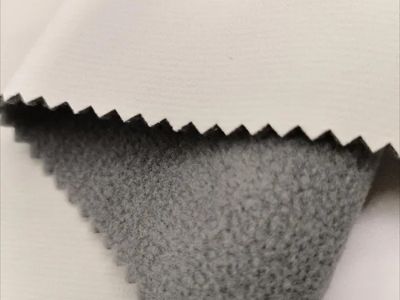
Air permeability analysis is a crucial aspect in the development of breathable cotton fabrics, particularly for businesses involved in textile manufacturing and sales. When sourcing these materials, B2B buyers, including purchasing managers and product developers, often prioritize airflow, moisture management, and comfort in their fabric selections. This article will guide you through the important considerations surrounding air permeability in cotton fabrics, helping you make informed decisions when developing breathable textiles for various applications.
Understanding Air Permeability in Cotton Fabric for Wholesale Buyers
Air permeability refers to the ability of a fabric to allow air to pass through it. This characteristic is particularly significant in the development of breathable cotton fabrics used in clothing, outdoor gear, and home textiles. For wholesale buyers, understanding air permeability is vital for ensuring the end product meets functional requirements. When assessing breathable cotton fabric, air permeability can be quantified in terms of the volume of air that can pass through a specific area of the material over a given time. Fabrics with higher air permeability tend to provide better ventilation, making them suitable for warm weather clothing or active wear. Buyers should also consider how air permeability interacts with other fabric properties, such as moisture wicking and thermal insulation, as these factors collectively impact wearer comfort and performance.
How to Evaluate Air Permeability for Quality Cotton Fabrics?
Evaluating air permeability involves both physical testing and understanding fabric characteristics. Common testing methods include the use of a Shirley Air Permeability Tester or a Fabrics Permeability Tester, which measure the airflow through a sample fabric under controlled conditions. Buyers should also consider the fabric's construction, such as weave type, yarn density, and finishing processes. For instance, looser weaves typically enhance air permeability, while tighter constructions may diminish it. It's crucial to request samples and conduct tests under conditions that simulate the intended application, ensuring that the fabric performs as expected in real-world scenarios. To ensure quality, buyers should also specify air permeability standards relevant to their target market. This might include certain industry benchmarks or certifications that indicate compliance with performance expectations.
Where to Source High-Quality Cotton Fabrics with Optimal Airflow?
Sourcing high-quality cotton fabrics involves selecting reputable suppliers that prioritize quality control and transparency. Look for manufacturers, like Suzhou Sishuo Textile Technology Co., Ltd., that specialize in textiles and have a strong background in fabric development and testing. When evaluating potential suppliers, consider their production capabilities and the technologies they use for air permeability testing. It's beneficial to inquire about their quality assurance processes, such as regular material inspections and performance testing, to ensure that the fabrics meet your specific airflow requirements.
Additionally, establishing strong communication with suppliers can facilitate better customization options, allowing you to tailor fabrics to meet unique specifications. Requesting detailed product data sheets, performance metrics, and sample swatches can further aid in making an informed sourcing decision.
Factors Impacting Cotton Fabric Choices
Several factors influence the selection of cotton fabrics, especially in terms of air permeability. Key considerations include:
Yarn Type: The type of cotton yarn used can affect the fabric's overall breath ability. Long-staple cottons, for example, generally yield stronger and more breathable fabrics compared to shorter fibers.
Fabric Weight: Lighter weight fabrics typically offer higher air permeability, making them suitable for summer wear or active applications. Conversely, heavier fabrics may provide durability at the expense of airflow.
Finishing Treatments: Chemical treatments, such as water repellents or anti-wrinkle finishes, can alter a fabric's breath ability. Buyers should be aware of how these treatments impact overall performance and comfort.
Intended Use: The specific application of the printed cotton fabric whether for apparel, home textiles, or industrial uses will significantly influence the choice of materials and their required properties.
When making fabric choices, it is essential to align these factors with the end-use requirements to ensure optimal performance and customer satisfaction.
Cost Considerations for Bulk Orders of Breathable Cotton Materials
Cost is a critical factor when ordering breathable cotton fabrics in bulk. Buyers should consider not only the price per unit but also how factors like fabric quality, order quantity, and customization impact overall costs.
Minimum Order Quantity (MOQ): Many manufacturers set a minimum order quantity that can affect pricing. Understanding the MOQ can help buyers gauge potential costs and plan their purchasing strategy accordingly.
Customization Costs: Custom designs, patterns, or specific treatments can increase the cost of poly cotton fabric. It’s important to discuss customization options upfront to avoid surprises in pricing.
Shipping and Handling: Shipping costs can vary based on order size and destination. Buyers should factor in these costs when calculating the total expenditure for bulk orders.
Long-Term Relationships: Establishing a long-term relationship with a supplier may lead to better pricing and terms over time. Regular orders may qualify for discounts or priority service.
Ultimately, buyers should evaluate costs against the quality and performance of the fabrics to ensure that they are making a sound investment in their textile needs.
Table of Contents
- Understanding Air Permeability in Cotton Fabric for Wholesale Buyers
- How to Evaluate Air Permeability for Quality Cotton Fabrics?
- Where to Source High-Quality Cotton Fabrics with Optimal Airflow?
- Factors Impacting Cotton Fabric Choices
- Cost Considerations for Bulk Orders of Breathable Cotton Materials