
 EN
EN
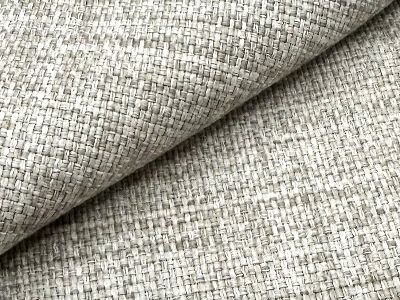
Understanding the differences between multi filament and monofilament polyester is crucial for selecting the right material for technical textile applications. Buyers often face challenges in determining which type best meets their specific needs, including durability, flexibility, and application suitability. This article will delve into the key specifications, evaluation criteria, and application scenarios associated with these materials to assist purchasing managers, engineers, and product managers in making informed decisions.
Key Specifications for Multi filament and Monofilament Polyester
When considering polyester for technical textiles, understanding the key specifications of multi filament and monofilament polyester is essential.
1. Structure:
Monofilament Polyester: This consists of a single, solid strand of polyester. This structure provides excellent rigidity and strength, making it ideal for applications requiring high tensile strength.
Multi filament Polyester: Composed of several filaments twisted together, this type offers greater flexibility and softness, making it suitable for applications that require capability and comfort.
2. Diameter and Weight:
Monofilament yarns tend to have a consistent diameter, which is crucial for applications where precise dimensions are necessary. In contrast, multi filament yarns can vary in diameter, allowing for a broader range of weights and textures.
3. Application Properties:
Monofilament typically excels in applications requiring high strength-to-weight ratios, such as fishing lines or certain industrial applications. Multi filament, on the other hand, is often favored in textiles that require softness, such as clothing or upholstery.
4. Surface Finish:
Both types can have various surface treatments that enhance performance in specific applications, such as UV resistance or water repellency. Buyers should evaluate which surface finish aligns with their requirements.
Understanding these specifications allows buyers to make more informed decisions based on the intended use of the polyester.
How to Choose the Right Polyester for Your Technical Applications?
Selecting the right type of polyester involves evaluating several factors that align with your technical application requirements.
1. Application Requirements:
Consider the specific needs of your project. For example, if your application demands high tensile strength and rigidity, monofilament is likely the better choice. Conversely, if comfort and flexibility are paramount, multi filament would be more suitable.
2. Environmental Conditions:
Assess the environmental factors the textile will be exposed to, such as moisture, UV rays, and temperature extremes. Monofilament can offer better resistance to harsh conditions, while multi filament may be treated for additional protection.
3. Performance Characteristics:
Evaluate the performance characteristics needed for your application. This includes factors such as abrasion resistance, elongation, and tensile strength. Monofilament generally has higher tensile strength, while multi filament offers better elongation properties, which can be beneficial for certain applications.
4. Cost Considerations:
Price can be a deciding factor. Monofilament may be more expensive due to its manufacturing process, while multi filament might offer cost savings for applications where flexibility is more critical than strength.
By carefully weighing these considerations, buyers can select the polyester fabric type that best aligns with their operational needs and budget constraints.
Multifi lament vs. Monofilament Polyester
The choice between multi filament and monofilament polyester often boils down to the specific application and desired properties.
Multi filament Polyester:
Advantages: Offers excellent flexibility and softness, making it ideal for applications such as clothing, upholstery, and other textiles that require comfort.
Disadvantages: Generally lower tensile strength compared to monofilament, potentially making it less suitable for high-stress applications.
Monofilament Polyester:
Advantages: Exceptional strength and rigidity, making it suitable for demanding applications like fishing lines, reinforcement materials, and technical components in industrial settings.
Disadvantages: Less flexible, which can limit its use in applications requiring a softer touch.
In practical terms, buyers should assess the specific requirements of their application to determine which polyester spandex fabric type will deliver the best performance without compromising on quality or functionality. Testing samples in actual usage conditions is also advisable to confirm suitability before full-scale production.
Evaluating the Quality of Polyester for Industrial Use
Quality evaluation is essential when sourcing polyester for industrial applications.
1. Visual Inspection:
Conduct a visual inspection of the polyester samples. Look for uniformity in color, texture, and finishes. Any inconsistencies may affect performance and durability.
2. Tensile Strength Testing:
Request tensile strength data to ensure that the 100 polyester fabric meets the required specifications for your application. A higher tensile strength is critical for applications that will experience significant stress.
3. Elongation at Break:
Evaluating the elongation properties can provide insights into how the material will perform under load. This is particularly important for multi filament polyester, where flexibility and stretch are required.
4. Environmental Resistance:
Ensure that the polyester is tested for environmental resistance, such as UV stability and moisture absorption. These factors can significantly impact product longevity.
5. Compliance and Certifications:
Confirm that the polyester meets relevant industry standards and certifications. This can provide assurance of quality and consistency in the manufacturing process.
By following these evaluation steps, buyers can minimize the risk of quality issues and ensure that the polyester they choose will perform effectively in their specific applications.
Application Scenarios for Polyester in Technical Textiles
Polyester's versatility makes it suitable for a wide range of technical textile applications:
1. Apparel and Fashion:
Multi filament polyester is commonly used in clothing due to its softness and comfort. It is ideal for active wear, where breath ability and moisture-wicking properties are essential.
2. Industrial Applications:
Monofilament polyester's strength makes it a go-to choice for industrial applications, such as conveyor belts, fishing lines, and reinforcement materials in composite products.
3. Upholstery and Home Textiles:
In the furniture industry, multi filament polyester is favored for its aesthetic appeal and comfort, making it suitable for upholstery fabrics.
4. Automotive Textiles:
Both types of polyester are used in automotive applications, with monofilament being selected for components requiring high durability, while multi filament may be used in softer surfaces, such as seat covers.
5. Medical Textiles:
Both polyester types find applications in medical textiles, such as sutures and wound dressings, where strength and flexibility are critical.
By understanding these application scenarios, buyers can better match the type of polyester to their project needs, ensuring optimal performance and durability in the final product.