
 EN
EN
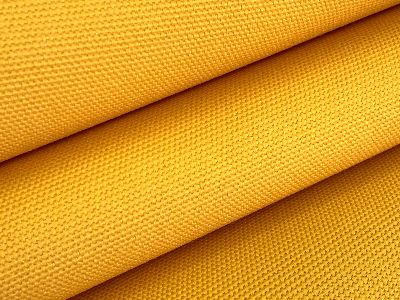
Dimensional stability is a critical factor in the processing of heat-sensitive polyester fabrics, impacting the quality and usability of end products. This article addresses key considerations for B2B buyers, including how to select the right polyester fabric, specifications for ensuring dimensional stability, and common challenges faced during fabric processing. By understanding these aspects, purchasing managers, engineers, and product managers can make informed decisions that enhance product quality and performance.
How to Choose the Right Polyester Fabric for Your Bulk Order?
Selecting the appropriate polyester fabric for your bulk order requires careful consideration of several factors. First, assess the intended application of the fabric. For example, fabrics intended for outdoor use may require UV resistance, while garments designed for active wear may need moisture-wicking properties. Next, consider the fabric's weight and texture. Heavier fabrics often provide more durability and better performance in demanding conditions, while lighter fabrics may offer comfort and breath ability. It’s also essential to evaluate the polyester fabric finish, such as water-repellency or flame retardant, which can influence its performance in specific applications. Lastly, verify the manufacturer's ability to meet your quantity and lead time requirements. Understanding the minimum order quantity (MOQ) and production capacity helps ensure that the supplier can fulfill your order within the desired timeframe, avoiding potential delays in your supply chain.
Key Specifications for Dimensional Stability in Heat-Sensitive Fabrics
Dimensional stability is defined as a fabric's ability to maintain its original dimensions when subjected to various conditions such as heat and moisture. This is particularly crucial in heat-sensitive polyester fabric processing, as improper handling can lead to shrinkage or distortion.
Key specifications to look for include:
Fabric Composition: The percentage of polyester in the fabric can affect its stability. Higher polyester content typically enhances dimensional stability.
Weave Type: Different weaving techniques can influence how the fabric reacts to heat. A tighter weave generally offers better dimensional stability.
Pre-Treatment Processes: Fabrics that undergo pre-treatment processes, like heat setting, are often more stable. This process helps to lock in the fabric’s dimensions before it is cut and sewn.
Testing Standards: Verify that the modal fabric has been tested according to industry standards for dimensional stability, such as ISO or ASTM protocols, to ensure reliable performance.
By understanding these specifications, buyers can select fabrics that will perform well in their intended applications, minimizing the risk of issues like shrinkage or misalignment during production.
What to Look for in Polyester Fabric Suppliers?
When sourcing polyester fabric suppliers, consider the following criteria to ensure you partner with a reliable and capable manufacturer:
Experience and Expertise: Look for suppliers with a proven track record in the textile industry, particularly those specializing in polyester fabrics. Their experience can provide insights into material selection and processing techniques.
Quality Control Processes: Understanding the supplier's quality assurance methods is vital. Effective quality control can help identify potential issues before they affect your production line.
Customization Capabilities: Depending on your project needs, the ability to customize fabric specifications, such as color, weight, and finish, may be essential. Ensure the supplier can accommodate your specific requirements.
Certifications and Compliance: Check if the supplier holds relevant certifications, which can indicate adherence to quality and safety standards. This can also provide peace of mind regarding environmental and ethical manufacturing practices.
Communication and Support: A responsive supplier who offers excellent customer service can significantly ease the procurement process. They should be able to provide timely updates and assist with any inquiries you may have.
Evaluating these factors will help you choose a supplier that can meet your quality expectations and support your business goals.
Common Problems in Polyester Fabric Processing and Their Solutions
Polyester fabric processing can present several challenges that may affect the final product quality. Understanding these common problems and their solutions can help buyers mitigate risks effectively.
Shrinkage: One of the most prevalent issues is fabric shrinkage during washing or exposure to heat. To minimize this, ensure that the fabric has been pre-shrunk or heat-set during production.
Color Bleeding: This occurs when dyes run in the wash or during manufacturing. To prevent this, confirm that the supplier uses high-quality dyes and conducts thorough testing for color fastness.
Wrinkling: Heat-sensitive polyester can wrinkle easily, impacting its appearance. Consider fabrics with wrinkle-resistant finishes to maintain a smooth look after processing.
Dimensional Instability: As discussed earlier, fabrics may lose their shape or size. Implementing proper handling procedures and selecting fabrics with confirmed dimensional stability can help address this issue.
Inconsistent Quality: Variations in nylon fabric quality can arise from batch-to-batch differences. Request samples from multiple batches to ensure consistency before placing a bulk order.
By being aware of these common challenges and their solutions, buyers can work closely with suppliers to ensure the production process runs smoothly and the final products meet quality standards.
Applications of Dimensional Stability in the Textile Industry
Dimensional stability plays a significant role in various applications across the textile industry, particularly for heat-sensitive polyester fabrics. Here are some key areas where stability is crucial:
Apparel Manufacturing: In garment production, maintaining the fit and shape of clothing is essential. Fabrics with high dimensional stability prevent garments from shrinking or stretching during washing or wearing, ensuring a consistent fit for consumers.
Home Textiles: Products like curtains, upholstery, and bedding require dimensional stability to maintain their intended appearance and function. Fabrics used in these applications should resist distortion to uphold aesthetic qualities over time.
Industrial Applications: Fabrics used in industrial settings, such as protective clothing or equipment covers, must maintain their shape and performance under various environmental conditions. Dimensional stability is vital to ensure safety and functionality.
Sporting Goods: In the production of sports apparel and gear, dimensional stability helps ensure that products retain their shape and performance characteristics, enhancing the user's experience.
Understanding these applications allows buyers to appreciate the importance of dimensional stability in their fabric choices, ultimately contributing to higher quality and more reliable end products.
Table of Contents
- How to Choose the Right Polyester Fabric for Your Bulk Order?
- Key Specifications for Dimensional Stability in Heat-Sensitive Fabrics
- What to Look for in Polyester Fabric Suppliers?
- Common Problems in Polyester Fabric Processing and Their Solutions
- Applications of Dimensional Stability in the Textile Industry