
 EN
EN
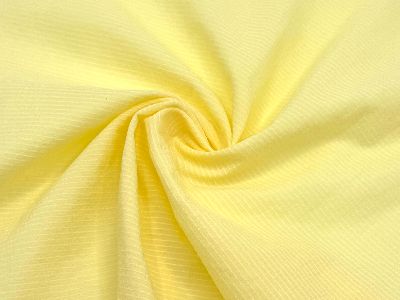
Air permeability design is a crucial aspect of lightweight polyester fabrics, especially for industries requiring breathable and moisture-wicking materials. This article explores how to choose the right lightweight polyester fabric, what to look for in suppliers, common challenges, installation guidance, and sourcing reliable suppliers for bulk purchases. Understanding these aspects will help purchasing managers, engineers, and product managers make informed decisions, ensuring the selected fabric meets their specific application needs.
How to Choose the Right Lightweight Polyester Fabric for Your Projects?
When selecting lightweight polyester fabric, consider the fabric's air permeability, weight, and intended application. Air permeability is critical for applications such as sportswear, outdoor gear, and medical textiles, where breath ability enhances comfort and performance. Look for fabrics with specific air permeability ratings that match your project requirements. The weight of the fabric, typically measured in grams per square meter (GSM), affects its durability and usability. For instance, a lighter polyester fabric for trousers may be ideal for summer clothing, while a heavier version might be necessary for outerwear. Additionally, evaluate the fabric's moisture management properties, which can influence user comfort and overall performance in active environments. Customization options are also vital. Many suppliers can tailor the fabric to meet specifications regarding color, pattern, and additional treatments such as water repellency or UV protection. Engaging with a manufacturer like Suzhou Sishuo Textile Technology Co., Ltd. can provide insights into customizing lightweight polyester fabrics to enhance their functionality.
What to Look for in Polyester Fabric Suppliers?
Choosing the right supplier is as important as selecting the fabric itself. Start by evaluating the supplier's experience in the textile industry, particularly in producing lightweight polyester fabrics. An established supplier will likely have a robust quality assurance process, ensuring the fabrics meet industry standards and your specific requirements. Certifications can also indicate the reliability of a supplier. Look for suppliers with ISO certifications or other relevant industry certifications that demonstrate their commitment to quality and environmental standards. Additionally, consider their manufacturing capabilities, including production capacity and technology used. Communication is key. A responsive supplier that provides clear information regarding material specifications, lead times, and pricing will make the purchasing process smoother. Requesting samples before placing a bulk order can help confirm the quality and suitability of the fabric for your intended application.
Common Problems with Polyester Fabrics and Effective Solutions
Polyester fabrics can present certain challenges during production and use. One common issue is inconsistent fabric quality, which can lead to variations in air permeability and overall performance. To mitigate this, ensure that the supplier has stringent quality control processes in place, including regular testing of fabric batches for consistency. Another problem is the potential for pilling, which can occur with lightweight polyester fabrics due to friction during use. Selecting fabrics with a higher denier count can help reduce the likelihood of pilling. Additionally, consider the fabric's finish; a smoother finish may improve durability and resistance to pilling. Lastly, buyers should be aware of potential color fading when polyester fabric are exposed to sunlight or washing. Choosing dyes and treatments specifically designed for polyester can enhance color fastness. Discussing these concerns with your supplier can lead to better material choices that address these common problems.
Installation Guidance for Lightweight Polyester Fabric Applications
Proper installation of lightweight polyester fabrics can significantly impact their performance and longevity. For applications such as tents, awnings, or clothing, consider how the fabric will be sewn or attached. Using compatible thread and stitching techniques can help maintain the fabric's integrity and prevent seam failure. In applications requiring tension, such as in outdoor gear, ensure that the fabric is cut and sewn to precise measurements to avoid stress points that can lead to tearing. Additionally, be mindful of the installation environment; factors such as moisture and temperature can affect the fabric's performance. For instance, using a breathable polyester fabric for pants in humid conditions can help reduce condensation build-up, enhancing comfort. Before installation, conduct a thorough inspection of the fabric for defects or inconsistencies. This step is essential to avoid issues after the fabric is in use. Proper handling and storage of the fabric before installation can also help maintain its quality and performance.
Where to Source Reliable Suppliers for Polyester Fabrics in Bulk?
Sourcing reliable suppliers for bulk polyester fabrics can be done through various channels. Industry trade shows and textile expos are excellent opportunities to meet suppliers, assess their products, and establish relationships. Additionally, online platforms can provide access to a wider range of manufacturers, allowing for easy comparison of products and prices. When sourcing suppliers, consider using industry-specific directories that list manufacturers based on their specialties. This targeted approach can lead to finding suppliers with a proven track record in producing lightweight polyester fabrics. Networking with industry peers can also yield valuable recommendations for reputable suppliers. Engaging in forums or professional groups can provide insights into supplier reliability and product quality based on real-world experiences. Finally, reach out to potential suppliers with specific inquiries regarding their product offerings, customization capabilities, and bulk pricing. This dialogue can help establish trust and ensure that the supplier aligns with your project needs.
Table of Contents
- How to Choose the Right Lightweight Polyester Fabric for Your Projects?
- What to Look for in Polyester Fabric Suppliers?
- Common Problems with Polyester Fabrics and Effective Solutions
- Installation Guidance for Lightweight Polyester Fabric Applications
- Where to Source Reliable Suppliers for Polyester Fabrics in Bulk?